



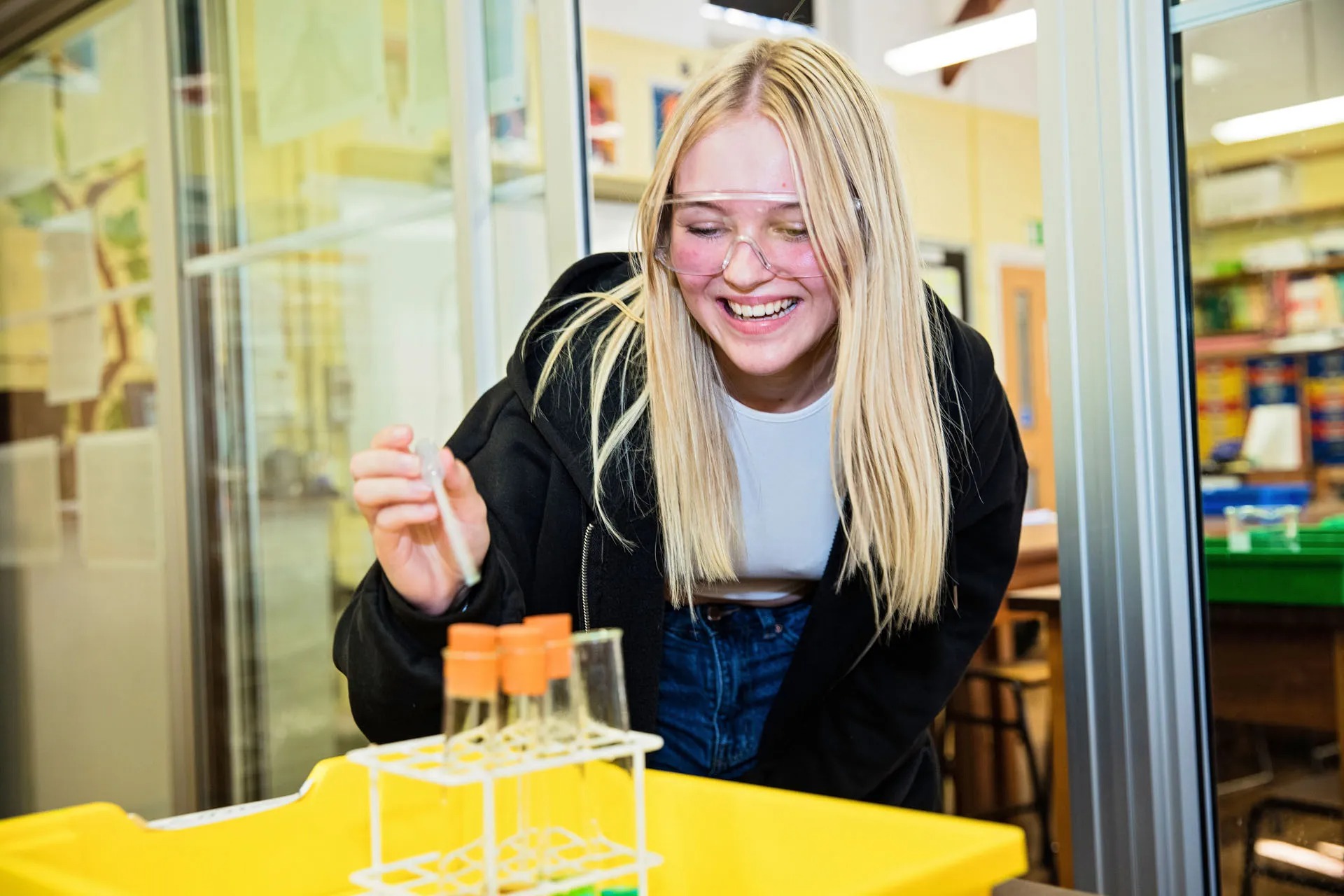


What does it take to uncover crucial evidence at a crime scene? Our Year 12 Criminology students recently found out during an interactive workshop on crime scene print analysis, organised by Criminology teacher Mrs Elphick. The workshop served as a hands-on introduction to their new unit, Crime Scene to Courtroom. After learning about the three types of print evidence – patent, latent and plastic – students stepped into the role of Crime Scene Investigators, using specialist techniques to collect, record and analyse prints.

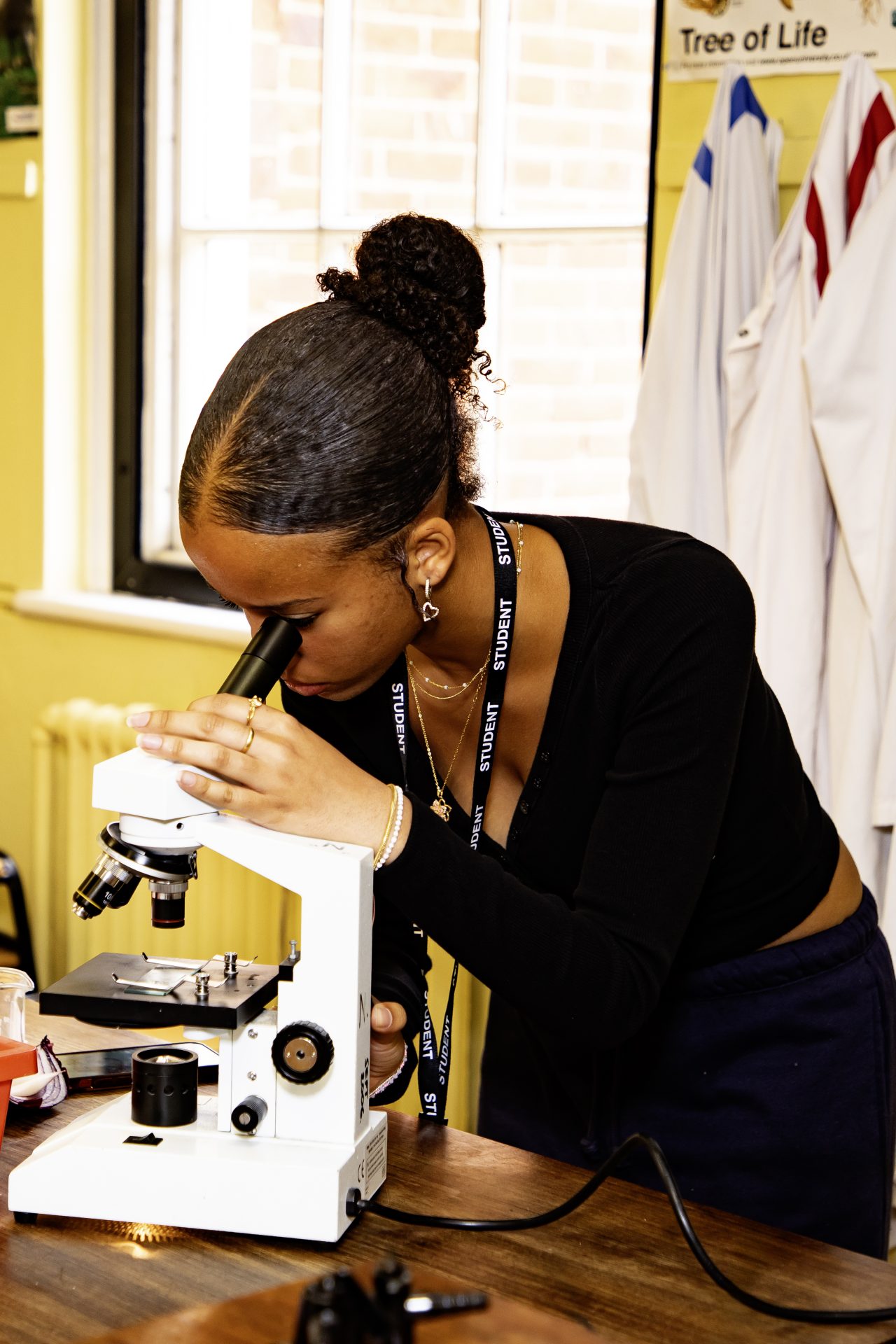
Patent: these are prints that can be seen with the naked eye. An example that the students looked at were ink fingerprints. They helped each other to record their individual sets of fingerprints before analysing them for distinguishing features with a magnifying glass.


Latent: these are prints that cannot be seen with the naked eye. In the lesson, students transferred a fingerprint to their phone, before using baby powder to dust and identify the print, and then tape to lift and record the print. They were then able to use ultraviolet light to examine them.


Plastic: these are prints that leave an impression in another material, for example boot prints. In the workshop, the students used plasticine to capture the vein print on the heel of their hands.


Click here to find out more about our A Level Applied Diploma in Criminology.